
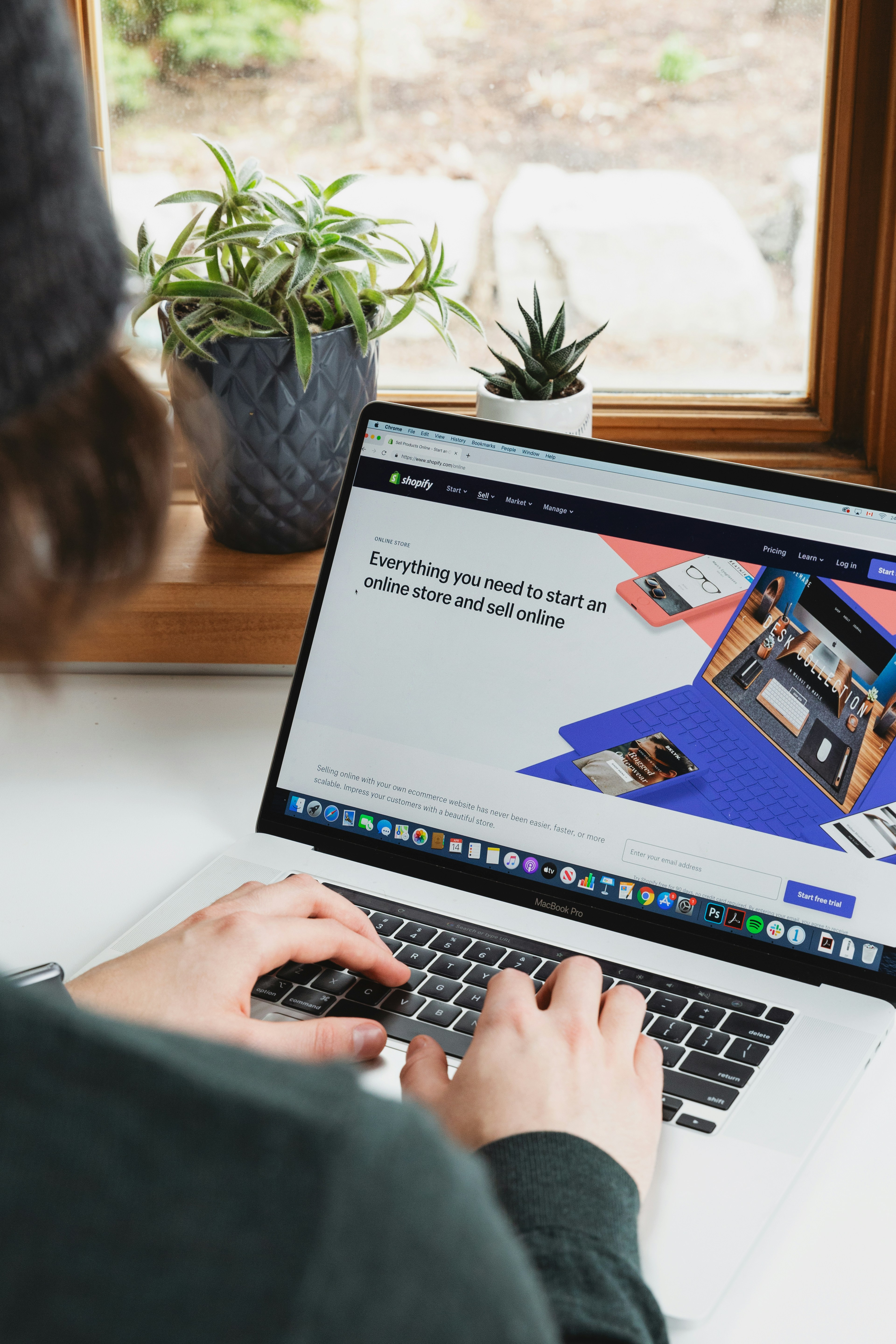
Earning your first dollar online is not about building a giant brand or learning complicated tools. It starts with a simple idea, a clear offer, and one person who says yes. In 2025, the tools for beginners are better than ever, which means anyone can turn a product, skill, or small digital idea into real income.
Starting small is not a limitation. It is the fastest way to learn how ecommerce works.
Why Your First Dollar Matters
The first sale teaches you more than any tutorial. It shows you what people respond to, what they trust, and what they are willing to pay for. Once that happens, everything becomes easier. You improve your presentation, refine your offer, and build confidence along the way.
Below are the clearest paths beginners can take to earn their first dollar, along with platforms that make each path simple.
Selling Physical Products in 2025
Handmade items are one of the easiest gateways into ecommerce because they already carry a sense of connection. If you create ceramics or pottery as a hobby, you already have a starting point. A single mug or vase is enough to begin.
Take photos by a window. Upload them to a platform like Etsy or Shopify. Write a short description that explains what it is, what size it is, and who it is perfect for. Handmade pieces attract early buyers because they feel personal. Most first sales come from people who already follow your work or admire the fact that you create something by hand.
You do not need a full shop. One or two pieces listed online can earn your first dollar.
Selling Digital Products That Scale Instantly
Digital products are ideal for beginners who want a low maintenance business. A weekly planner, budget sheet, content calendar, habit tracker, or simple PDF guide can be created in Canva and uploaded to Gumroad or Shopify.
Digital goods require no inventory and no shipping. They solve small but real problems for people who want to stay organized, save time, or manage their routines. One upload can produce income again and again.
Your first sale might come from someone who needs exactly the small tool you created. Even a three dollar PDF counts. That is real ecommerce.

Selling a Service Through a Simple Online Setup
Services convert quickly because they rely on human skills you already have. If you are good at designing, editing, consulting, teaching, or organizing, you can package that ability into a simple offer.
Create a booking page on Calendly and connect Stripe to collect payments. Offer something clear, such as an hour of graphic design help or a beginner coaching session. People who already ask you for help are your first customers. They trust you, which makes the decision easy.
This is often the fastest path to a first dollar because you are selling something you know how to do right now.
Turning a Hobby or Skill Into an Online Offer
Not every online store needs to sell a product. Many people earn their first dollar from things that seem simple but are genuinely helpful. Journaling templates, meal plans, handwriting practice sheets, study guides, fitness routines, personalized playlists, or even basic budgeting help can all be packaged as digital downloads.
Platforms like Gumroad, Canva, Squarespace, and Shopify make it easy to upload small ideas and turn them into something buyers can support. If it makes someone’s life easier or more enjoyable, it qualifies.
Where Your First Sale Actually Comes From
Most people assume their first customer will be a stranger online. In almost every case, it comes from someone who already knows you. Friends, family, coworkers, classmates, and social media followers are usually the first to support you.
Share your offer on Instagram, Facebook, TikTok, or in a group chat. You are not begging for support. You are giving people the chance to get something they already value from you.

The Simplicity That Makes Ecommerce Work
The formula for earning your first dollar in 2025 is not complicated.
Choose one thing to sell.
Put it on a platform that handles checkout.
Use real photos or examples.
Share it where people already follow you.
Let the first sale teach you what to do next.
Your first dollar is not the finish line. It is the spark that proves this is possible.
Top 25 Ecommerce Tools in 2025
1. Shopify
What it does: All-in-one ecommerce platform for physical and digital stores.
Link: https://www.shopify.com
Compare with: WooCommerce, BigCommerce
Reviews: https://www.g2.com/products/shopify/reviews
2. WooCommerce
What it does: Ecommerce plugin for WordPress, great for customization.
Link: https://woocommerce.com
Compare with: Shopify, Magento
Reviews: https://www.g2.com/products/woocommerce/reviews
3. BigCommerce
What it does: Scalable ecommerce platform for growing brands.
Link: https://www.bigcommerce.com
Compare with: Shopify Plus, Adobe Commerce
Reviews: https://www.g2.com/products/bigcommerce/reviews
4. Squarespace Commerce
What it does: Simple, design-first ecommerce for small shops and services.
Link: https://www.squarespace.com
Compare with: Wix, Shopify
Reviews: https://www.g2.com/products/squarespace/reviews
5. Wix Ecommerce
What it does: Drag-and-drop website builder with integrated ecommerce.
Link: https://www.wix.com/ecommerce
Compare with: Squarespace, Shopify
Reviews: https://www.g2.com/products/wix/reviews
Core Store Management
6. Stripe
What it does: Payment processing for cards, subscriptions, and invoicing.
Link: https://stripe.com
Compare with: PayPal, Square
Reviews: https://www.g2.com/products/stripe/reviews
7. PayPal for Business
What it does: Universal online payments and checkout.
Link: https://www.paypal.com/business
Compare with: Stripe, Square
Reviews: https://www.g2.com/products/paypal/reviews
8. Square Online
What it does: The easiest POS and online store combo for beginners.
Link: https://squareup.com/us/en/online-store
Compare with: Shopify POS, Clover
Reviews: https://www.g2.com/products/square/reviews
9. Shippo
What it does: Shipping labels, rates, tracking, and automation.
Link: https://goshippo.com
Compare with: ShipStation, EasyShip
Reviews: https://www.g2.com/products/shippo/reviews
10. ShipStation
What it does: Advanced shipping and fulfillment for growing stores.
Link: https://www.shipstation.com
Compare with: Shippo, AfterShip
Reviews: https://www.g2.com/products/shipstation/reviews
Digital Products & Downloads
11. Gumroad
What it does: Sell digital files, memberships, and downloads instantly.
Link: https://www.gumroad.com
Compare with: SendOwl, Shopify Digital Downloads
Reviews: https://www.g2.com/products/gumroad/reviews
12. SendOwl
What it does: Clean, secure delivery system for digital products.
Link: https://www.sendowl.com
Compare with: Gumroad, Payhip
Reviews: https://www.g2.com/products/sendowl/reviews
13. Payhip
What it does: Digital storefronts for ebooks, templates, courses, and more.
Link: https://payhip.com
Compare with: Gumroad, Kajabi (for courses)
Reviews: https://www.g2.com/products/payhip/reviews
Marketing & Traffic Tools
14. Klaviyo
What it does: Email and SMS automation built for ecommerce.
Link: https://www.klaviyo.com
Compare with: Mailchimp, Omnisend
Reviews: https://www.g2.com/products/klaviyo/reviews
15. Mailchimp
What it does: Email marketing and signup forms for beginners.
Link: https://www.mailchimp.com
Compare with: ConvertKit, Constant Contact
Reviews: https://www.g2.com/products/mailchimp/reviews
16. ConvertKit
What it does: Email and digital product tools for creators and small shops.
Link: https://www.convertkit.com
Compare with: Mailchimp, Kajabi
Reviews: https://www.g2.com/products/convertkit/reviews
17. Buffer
What it does: Social media scheduling for ecommerce sellers.
Link: https://buffer.com
Compare with: Hootsuite, Later
Reviews: https://www.g2.com/products/buffer/reviews
18. Later
What it does: Instagram, TikTok, and Pinterest scheduling for stores.
Link: https://later.com
Compare with: Buffer, Hootsuite
Reviews: https://www.g2.com/products/later/reviews
Analytics & Optimization
19. Google Analytics 4 (GA4)
What it does: Full traffic and conversion analytics for stores.
Link: https://marketingplatform.google.com/about/analytics
Compare with: Plausible, Fathom
Reviews: https://www.g2.com/products/google-analytics/reviews
20. Hotjar
What it does: Heatmaps and visitor recordings to understand customer behavior.
Link: https://www.hotjar.com
Compare with: Crazy Egg, Microsoft Clarity
Reviews: https://www.g2.com/products/hotjar/reviews
21. Optimizely
What it does: A/B testing for landing pages and product pages.
Link: https://www.optimizely.com
Compare with: VWO, Google Optimize (retired)
Reviews: https://www.g2.com/products/optimizely/reviews
Reviews, Trust, and Social Proof
22. Judge.me
What it does: Product reviews and UGC for Shopify stores.
Link: https://judge.me
Compare with: Yotpo, Loox
Reviews: https://www.g2.com/products/judge-me/reviews
23. Yotpo
What it does: Reviews, SMS, loyalty, and referrals for scale.
Link: https://www.yotpo.com
Compare with: Judge.me, Stamped
Reviews: https://www.g2.com/products/yotpo/reviews
Store Design & Creative Tools
24. Canva
What it does: Design banners, ads, product mockups, templates, and branding.
Link: https://www.canva.com
Compare with: Adobe Express, Figma
Reviews: https://www.g2.com/products/canva/reviews
25. Figma
What it does: Professional UI, store layout, and design collaboration.
Link: https://www.figma.com
Compare with: Canva, Adobe XD
Reviews: https://www.g2.com/products/figma/reviews
Leave a Reply